


12 Feb 2026

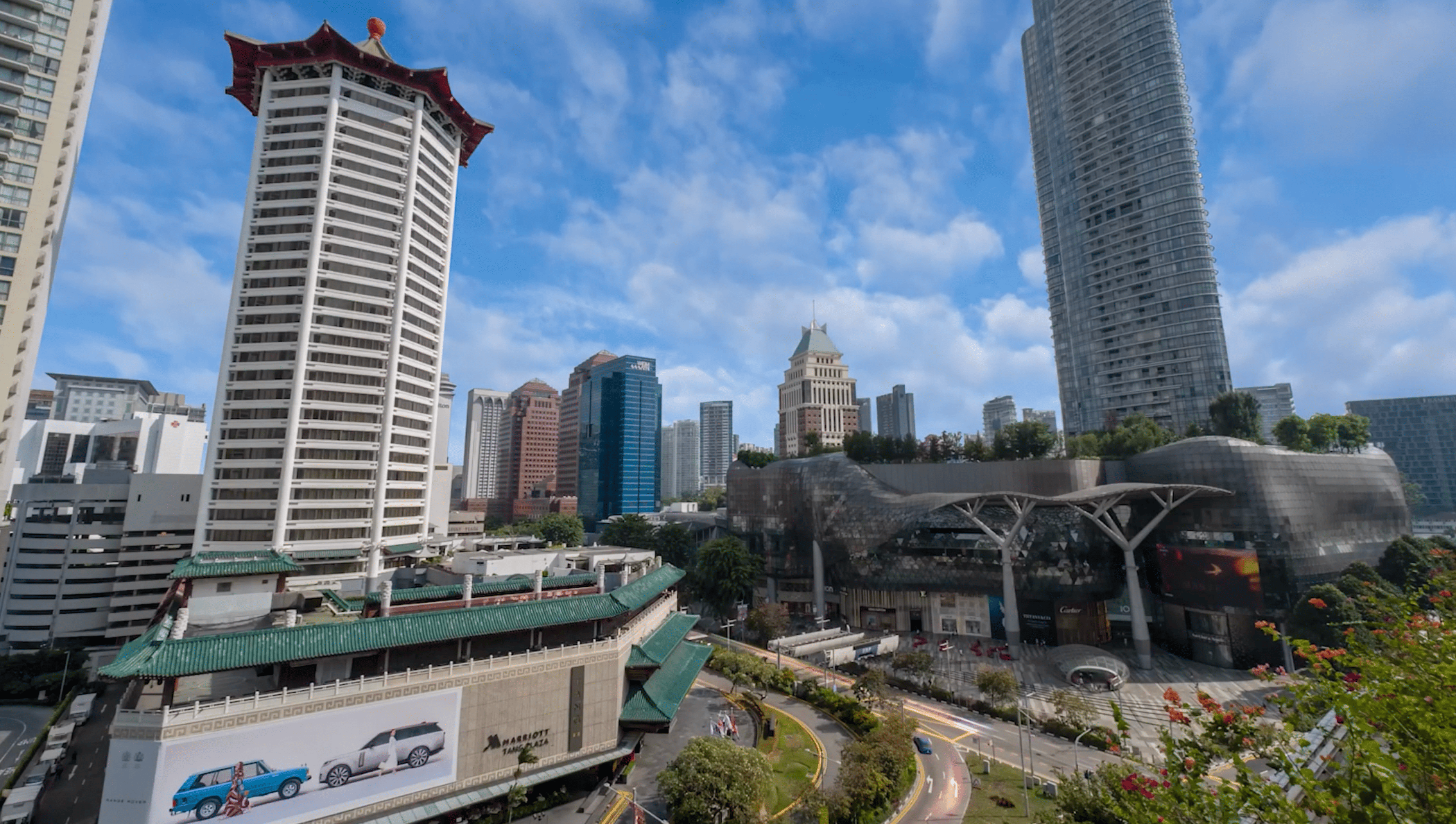
Orchard Road does not need saving. It needs conviction.
As someone who spends much of his time advising landlords and brands, I often reflect on what made Orchard Road exceptional in the first place. It was never just about scale. It was about status. To be on Orchard Road meant something. It signalled ambition, relevance and arrival.
Over time, however, competition increased and differentiation blurred. Malls competed within their walls rather than strengthening the street as a whole. Tenant mixes converged. Experience became secondary to occupancy.
If Orchard Road is to become great again, it must move from being a retail corridor to becoming retail theatre.
First, each cluster along the belt should have a defined identity. Luxury, youth culture, lifestyle and dining cannot simply coexist randomly. They must be curated with discipline so that consumers feel a progression as they move along the street.
Second, experiential flagships must be prioritised over transactional stores. The modern flagship is a statement of brand philosophy. It hosts communities, launches content and creates moments worth travelling for.
Third, the public realm deserves as much attention as the leasable area. Activated façades, outdoor programming and seamless pedestrian connectivity will determine whether Orchard feels dynamic or fragmented. Great cities often have iconic public squares or gathering spaces for people to come together. We need more of these along Orchard Road if we want people to visit and dwell longer with their families and loved ones.
Finally, landlords must think collectively. Orchard Road is an ecosystem. When one asset upgrades its positioning, it lifts the street. When one under-invests, it dilutes perception.
Orchard Road can lead Asia again. Not by being bigger, but by being sharper, braver and more intentional. Great streets are curated. They do not happen by accident.

Work with Catbird